




What are the standards for hoist systems?
 Jan 13, 2026|
 Hey there! As a hoist system supplier, I often get asked about the standards for hoist systems. It's a crucial topic, especially when you're looking to invest in a reliable and safe solution. So, let's dive right into it.
Safety First
When it comes to hoist systems, safety is non - negotiable. First off, the hoist needs to have proper load - capacity ratings. This means it should be clearly marked with the maximum weight it can safely lift. A good hoist system supplier, like us, will always ensure that our products meet or exceed these ratings. For example, if you're using a hoist in a warehouse to lift heavy pallets, you need to know that it can handle the weight without any risk of failure.
Another safety standard is the presence of safety brakes. These brakes are designed to stop the hoist in case of a power failure or other emergencies. They prevent the load from free - falling, which could cause serious damage or injury. Our hoist systems are equipped with high - quality safety brakes that are regularly tested to ensure they work effectively.
The hoist should also have proper guards and enclosures to protect operators from moving parts. This includes things like chain guards for chain hoists or motor enclosures for electric hoists. It's important to keep operators safe from any potential pinch points or rotating elements.
Reliability and Durability
A hoist system has to be reliable. After all, you don't want it to break down in the middle of a job. That's why we focus on using high - quality materials in our hoist systems. For instance, the ropes or chains used in the lifting mechanism should be made of strong and durable materials. They need to be able to withstand repeated use and various environmental conditions.
The gears and bearings in the hoist are also critical components. They should be well - lubricated and designed for long - term use. Regular maintenance can help extend the life of these parts, but it's essential that they are built to last in the first place.
Our hoist systems are rigorously tested during the manufacturing process. We simulate different operating conditions to ensure that they can handle real - world scenarios. Whether it's extreme temperatures, high humidity, or dusty environments, our hoists are built to perform.
Precision and Control
Precision is key when it comes to hoist systems. You need to be able to lift and lower loads accurately. This is particularly important in applications like manufacturing, where parts need to be placed with high precision.
Our hoist systems are designed with advanced control mechanisms. They allow for smooth and precise movement of the load. Whether you're using a manual control pendant or an automated control system, you can expect accurate positioning of the load.

For example, in some of our hoist systems, we use variable frequency drives. These drives allow for fine - tuning of the speed and torque of the hoist motor, giving you more control over the lifting process.
Compatibility and Adaptability
In today's industrial world, hoist systems need to be compatible with other equipment. For instance, if you're using a hoist in a production line, it needs to work seamlessly with conveyor belts, robotic arms, or other machinery.
We understand this need for compatibility. That's why our hoist systems are designed with standard interfaces and mounting options. This makes it easier for you to integrate them into your existing setup.
Moreover, our hoist systems are adaptable. We can customize them to meet your specific requirements. Whether you need a hoist with a longer lifting height, a different lifting capacity, or special features, we've got you covered.
Parts Availability
One of the things that sets a good hoist system supplier apart is the availability of parts. When a part on your hoist fails, you need to be able to get a replacement quickly. This minimizes downtime and keeps your operations running smoothly.
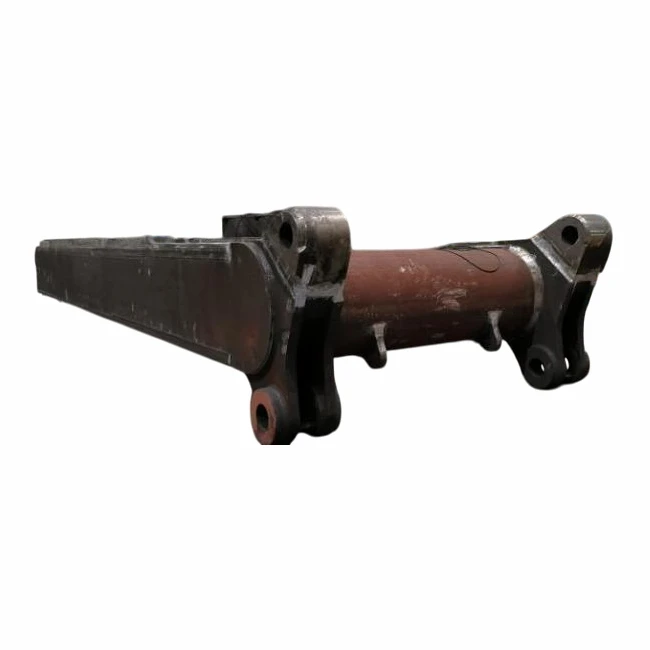
At our company, we maintain a large inventory of hoist parts. For example, if you're in need of a Lifting Roller for Excavator, we can usually get it to you in a short time. We also offer Dipper handle racks and Dipper Handle, which are essential components for certain types of hoist systems.
Standards and Certifications
Our hoist systems comply with various international standards and certifications. These standards ensure that our products are safe, reliable, and of high quality. Some of the common standards we adhere to include ISO standards, OSHA requirements in the United States, and CE markings in Europe.
These certifications give you peace of mind knowing that you're investing in a product that meets the highest industry standards. It also means that our hoist systems can be used in different regions around the world without any compliance issues.
Why Choose Us as Your Hoist System Supplier
As a hoist system supplier, we've been in the business for a long time. We've built a reputation for providing high - quality products and excellent customer service. Our team of experts is always on hand to answer your questions and provide you with the best advice on which hoist system is right for your needs.
We also offer competitive pricing. We understand that cost is an important factor when you're making an investment. That's why we strive to offer the best value for your money without compromising on quality.
Conclusion
In conclusion, the standards for hoist systems cover a wide range of aspects, including safety, reliability, precision, compatibility, and parts availability. When you're looking for a hoist system, it's important to choose a supplier who can meet these standards.
If you're in the market for a hoist system or need more information about our products, don't hesitate to reach out. We'd be more than happy to discuss your requirements and help you find the perfect hoist solution for your business.
References
- General industry safety standards for hoist systems from recognized safety organizations.
- Manufacturer's guidelines and best practices for hoist system design and operation.