




How to install a branch pipe in a residential building?
 Oct 29, 2025|
 Hey there! I'm a supplier of Branch Pipes, and today I'm gonna walk you through the process of installing a branch pipe in a residential building. Whether you're a DIY enthusiast or a professional plumber, this guide will give you the lowdown on what you need to know.
Why You Might Need a Branch Pipe
First off, let's talk about why you'd want to install a branch pipe. In a residential building, you might need to add a new fixture like a sink, toilet, or shower. Or maybe you're doing a renovation and need to reroute some plumbing. A branch pipe allows you to connect a new line to an existing one, giving you the flexibility to expand your plumbing system.
What You'll Need
Before you start the installation, you'll need to gather a few tools and materials. Here's a list of what you'll typically need:
- Branch Pipe: Of course, you'll need the Branch Pipe itself. Make sure you get the right size and material for your project. Common materials include PVC, copper, and PEX.
- Cutting Tools: Depending on the material of your pipes, you'll need a saw or a pipe cutter. For PVC, a hacksaw or a PVC pipe cutter will do the trick. For copper, you'll need a tubing cutter.
- Fittings: You'll need various fittings to connect the branch pipe to the existing line. This might include Bend Pipe for making turns and Hub for joining pipes together.
- Sealant: To prevent leaks, you'll need a sealant like plumber's tape or pipe dope.
- Measuring Tools: A tape measure and a level will help you ensure that your pipes are installed straight and at the right length.
Step-by-Step Installation Process
Step 1: Plan Your Installation
Before you start cutting any pipes, take the time to plan your installation. Figure out where you want to install the branch pipe and how it will connect to the existing line. Measure the distance and mark the spots where you'll need to make cuts.
Step 2: Shut Off the Water
This is a crucial step. You don't want water spraying everywhere while you're working on the pipes. Find the main water shut-off valve for your house and turn it off. Then, open a faucet to relieve the pressure in the pipes.

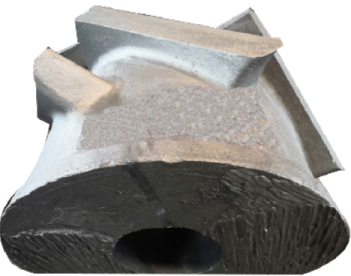
Step 3: Cut the Existing Pipe
Using your cutting tool, carefully cut the existing pipe at the marked spot. Make sure the cut is clean and straight. If you're using PVC, you can use a file to smooth the edges of the cut.
Step 4: Prepare the Fittings
Apply a thin layer of sealant to the threads of the fittings. This will help create a watertight seal. If you're using PVC, you'll need to use a special PVC primer and cement to join the pipes and fittings.
Step 5: Connect the Branch Pipe
Insert the Branch Pipe into the fitting and tighten it securely. Use a wrench to make sure the connection is tight, but be careful not to overtighten and damage the pipes or fittings.
Step 6: Make the Necessary Bends
If you need to make a turn in the pipe, use a Bend Pipe. Make sure the bend is smooth and that the pipe is properly supported.
Step 7: Connect to the New Fixture
Once the branch pipe is connected to the existing line, you can connect it to the new fixture. Follow the manufacturer's instructions for installing the fixture and make sure all the connections are tight.
Step 8: Test for Leaks
Turn the water back on and check for any leaks. Look for drips or puddles around the connections. If you find a leak, tighten the connection or apply more sealant.
Tips and Tricks
- Use the Right Tools: Using the right tools for the job will make the installation process much easier and ensure a better result.
- Take Your Time: Don't rush the installation. Measure twice, cut once. This will help you avoid mistakes and ensure that your pipes are installed correctly.
- Follow the Codes: Make sure you follow all the local plumbing codes and regulations. This will ensure that your installation is safe and up to standard.
Conclusion
Installing a branch pipe in a residential building might seem like a daunting task, but with the right tools and a little know-how, it's definitely doable. By following the steps outlined in this guide, you can add a new fixture or reroute your plumbing system with confidence.
If you're in the market for high-quality Branch Pipe, Bend Pipe, or other plumbing fittings, I'd love to help. Just reach out, and we can discuss your needs and find the right products for your project.
References
- "Plumbing for Dummies" by Richard Trethewey and Carson Dunlop
- Local plumbing codes and regulations