




How do I check the smoothness of a lifting bar's rotation?
 Oct 07, 2025|
 Hey there! As a lifting bar supplier, I often get asked about how to check the smoothness of a lifting bar's rotation. It's a crucial aspect, especially for those who rely on these bars for heavy - duty lifting in gyms, weightlifting competitions, or industrial settings. In this blog, I'll share some practical methods to assess the rotation smoothness of a lifting bar.
Why Smooth Rotation Matters
Before we jump into the checking methods, let's quickly understand why smooth rotation is so important. When you're performing exercises like the snatch or clean and jerk in weightlifting, a bar with smooth rotation allows the weights to spin freely. This reduces the amount of torque and strain on your wrists and forearms, making it easier to control the bar during the lift. In an industrial context, smooth rotation ensures efficient and safe lifting operations, minimizing the risk of accidents.
Visual Inspection
The first step in checking the rotation smoothness is a simple visual inspection. Start by placing the bar on a stable surface, like a pair of weightlifting stands. Look closely at the sleeves (the parts of the bar where the weights are loaded). Check for any visible signs of damage, such as dents, scratches, or rust. These imperfections can cause the sleeves to bind, leading to uneven rotation.
Also, take a look at the bearings inside the sleeves. Some bars have exposed bearings, while others have them enclosed. If the bearings are visible, check for any signs of wear, like pitting or discoloration. Worn - out bearings will definitely affect the smoothness of rotation.

Manual Spin Test
Once you've done the visual inspection, it's time for a hands - on test. Grab the bar in the center and give the sleeves a gentle spin. You're looking for a smooth, continuous rotation. The sleeves should spin freely without any jerks or sudden stops.
Pay attention to how long the sleeves spin. A high - quality bar with good bearings should spin for a relatively long time. If the sleeves stop spinning quickly, it could indicate a problem with the bearings or lubrication. You can also try spinning the sleeves in different directions to make sure the rotation is consistent.
Listening for Abnormal Noises
Another way to check the rotation smoothness is by listening for any abnormal noises. As you spin the sleeves, listen carefully for any grinding, clicking, or rattling sounds. These noises are a clear sign that something is wrong. Grinding noises usually mean that the bearings are worn or not properly lubricated. Clicking sounds could indicate loose parts or damaged bearings. Rattling might suggest that there are loose components inside the sleeves.
Using a Torque Wrench (Optional)
For a more precise check, you can use a torque wrench. This method is a bit more technical and is usually used in a professional or industrial setting. First, you'll need to secure the bar in a vice or a specialized testing fixture. Then, attach the torque wrench to the sleeve and apply a small amount of torque to start the rotation.
The amount of torque required to start and maintain the rotation should be consistent around the entire circumference of the sleeve. If you notice significant variations in the torque, it means that the rotation is not smooth. This could be due to misaligned bearings, damaged races, or other internal problems.
Comparing with a Known Good Bar
If you have access to a bar that you know has smooth rotation, you can use it as a reference for comparison. Spin both bars side by side and compare the rotation characteristics. This can help you quickly identify any issues with the bar you're testing. Pay attention to the speed of rotation, the length of time the sleeves spin, and the smoothness of the movement.
Factors Affecting Rotation Smoothness
There are several factors that can affect the rotation smoothness of a lifting bar. One of the most important factors is the quality of the bearings. High - quality bearings, such as those made from chrome steel or ceramic, are more durable and provide smoother rotation. The type of lubrication used also plays a crucial role. A well - lubricated bearing will spin more freely and have less friction.
The design of the bar can also impact rotation. Bars with a larger diameter sleeve or a more precise fit between the sleeve and the bar shaft tend to have better rotation. Additionally, the way the bar is stored and maintained can affect its rotation over time. Bars that are exposed to moisture or extreme temperatures are more likely to develop problems with their bearings and rotation.
Maintenance Tips for Smooth Rotation
To keep your lifting bars rotating smoothly, regular maintenance is key. First, make sure to clean the bars after each use. Wipe down the sleeves and the bar shaft to remove any dirt, sweat, or debris. This will prevent these contaminants from getting into the bearings and causing damage.
Periodically, you should also lubricate the bearings. Use a high - quality bearing lubricant and apply it according to the manufacturer's instructions. Over - lubrication can be just as bad as under - lubrication, so make sure to use the right amount.
If you notice any signs of damage or wear during your inspections, it's important to address them promptly. Replace worn - out bearings or damaged parts as soon as possible to prevent further problems.
Related Products for Lifting Equipment
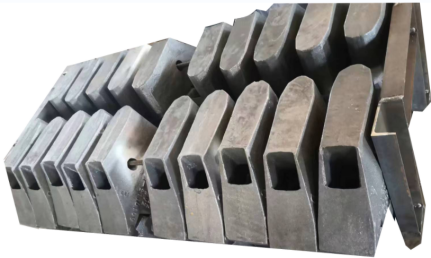
In the world of lifting equipment, there are other important components that you might be interested in. For example, if you're involved in crushing operations, you might need products like Hammer Head, Cap, and Grid Plate. These parts are crucial for the efficient and safe operation of crushing mills.
Conclusion
Checking the smoothness of a lifting bar's rotation is an important part of ensuring its performance and safety. By using the methods I've described above, you can quickly identify any issues with the rotation and take appropriate action. Whether you're a weightlifter, a gym owner, or an industrial operator, having a bar with smooth rotation will make your lifting tasks easier and more enjoyable.
If you're in the market for high - quality lifting bars or have any questions about checking rotation smoothness, don't hesitate to reach out. We're here to help you find the best products for your needs and ensure that you get the most out of your lifting equipment. Let's start a conversation about your lifting bar requirements, and we can work together to find the perfect solution.
References
- "Lifting Equipment Handbook" by John Ridley
- "Weightlifting Technique and Training" by Yuri Verkhoshansky