




What is the impact of humidity on a hoist system?
 Dec 29, 2025|
 Humidity is one of those environmental factors that often flies under the radar when we're talking about industrial equipment. But let me tell you, as a hoist system supplier, I've seen firsthand how it can really mess with a hoist system. So, what's the deal with humidity and hoist systems? Let's dive in.
First off, let's understand what humidity is. In simple terms, humidity is the amount of water vapor in the air. It can vary a lot depending on where you are, the time of year, and even the time of day. High humidity means there's a lot of water vapor floating around, while low humidity means there's not much.
Now, how does this affect a hoist system? Well, one of the biggest issues is corrosion. You see, hoist systems are made up of a bunch of metal parts. When there's high humidity, the water vapor in the air can condense on these metal surfaces. And where there's water and metal, there's a risk of rust. Rust is basically a form of corrosion that weakens the metal over time. For example, parts like the Lifting Roller for Excavator are crucial for the smooth operation of the hoist. If they start to rust due to high humidity, they won't roll as smoothly, which can put extra strain on the motor and other components.
Another part that's really vulnerable is the Boom. The boom is like the arm of the hoist, and it needs to be strong and stable. Corrosion can eat away at the metal, reducing its strength and potentially leading to structural failure. That's a huge safety hazard, not to mention it can cause a lot of downtime and expensive repairs.

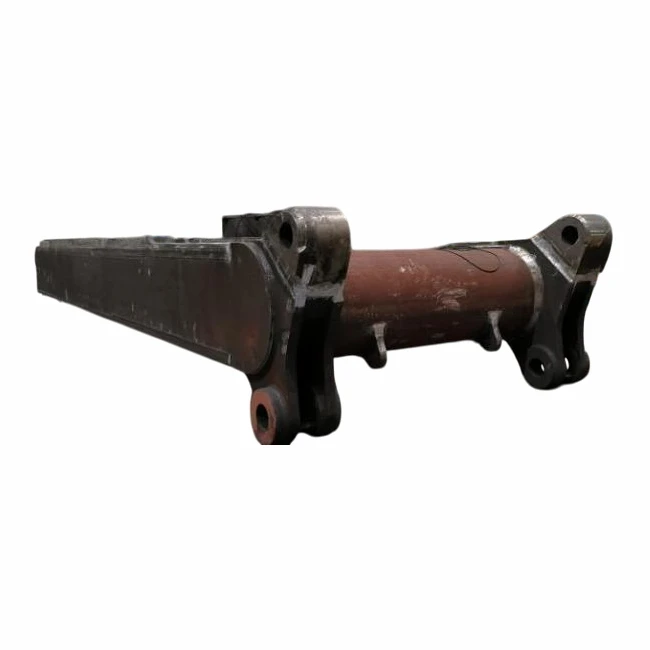
The Dipper Handle is also at risk. It's used to control the movement of the bucket or other attachments. If the dipper handle gets corroded, it might not move as freely or accurately, which can affect the efficiency of the hoist system.
But corrosion isn't the only problem. High humidity can also affect the electrical components of the hoist system. Electrical connections can get damp, which can lead to short circuits or other electrical malfunctions. Moisture can also damage insulation, increasing the risk of electrical shocks. And let's not forget about the impact on lubricants. Lubricants are essential for reducing friction between moving parts. However, high humidity can cause the lubricants to break down faster, which means they won't do their job as well. This can lead to increased wear and tear on the parts, shortening their lifespan.
On the flip side, low humidity can also be a problem. In dry conditions, static electricity can build up more easily. Static electricity can cause problems with the electronic sensors and controls in the hoist system. It can also attract dust and other particles, which can clog up the moving parts and affect their performance.
So, what can you do to protect your hoist system from the effects of humidity? One option is to use a dehumidifier in the area where the hoist is located. This can help keep the humidity levels in check and reduce the risk of corrosion and other moisture-related problems. Another important step is to regularly inspect and maintain the hoist system. Look for signs of rust, damage to electrical components, and any other issues. If you notice any problems, address them right away.
You should also make sure to use high-quality lubricants that are designed to withstand different humidity conditions. And consider applying a protective coating to the metal parts to prevent corrosion. This can be a cost-effective way to extend the lifespan of your hoist system.
In conclusion, humidity can have a significant impact on a hoist system. Whether it's high humidity causing corrosion and electrical problems or low humidity leading to static electricity and dust issues, it's something that needs to be taken seriously. As a hoist system supplier, I know how important it is to keep your equipment in top condition. If you're facing any humidity-related problems with your hoist system or if you're looking for high-quality hoist parts, don't hesitate to reach out. We're here to help you find the right solutions and ensure the smooth and safe operation of your hoist system.
References
- General knowledge of industrial equipment maintenance and environmental factors.
- Experience in the hoist system supply industry.