




What is the fire - resistance of a grid plate?
 Oct 20, 2025|
 As a seasoned supplier of Grid Plates, I've encountered numerous inquiries regarding the fire - resistance of these essential industrial components. In this blog, I aim to delve deep into the topic, shedding light on what fire - resistance means for Grid Plates, the factors that influence it, and why it matters in various applications.
Understanding Fire - Resistance
Fire - resistance refers to a material's ability to withstand the effects of fire without significant degradation in its structural integrity, functionality, or safety for a specified period. For Grid Plates, fire - resistance is crucial as they are often used in industrial settings where there is a risk of fire, such as foundries, steel mills, and power plants.
The fire - resistance of a Grid Plate is not just about preventing it from catching fire. It also involves maintaining its shape, strength, and performance under high - temperature conditions. A fire - resistant Grid Plate can help contain a fire, prevent the spread of flames, and ensure the continued operation of equipment and machinery in the event of a fire.
Factors Affecting the Fire - Resistance of Grid Plates
Material Composition
The type of material used to manufacture a Grid Plate plays a significant role in its fire - resistance. Common materials for Grid Plates include steel, cast iron, and various alloys. Steel, for example, has a relatively high melting point, typically around 1370 - 1510°C (2500 - 2750°F). However, its fire - resistance can be enhanced through the addition of alloying elements such as chromium, nickel, and molybdenum. These elements form a protective oxide layer on the surface of the steel, which slows down the oxidation process and helps maintain the structural integrity of the Grid Plate at high temperatures.
Cast iron, on the other hand, has a lower melting point than steel, usually around 1150 - 1200°C (2100 - 2200°F). But it can also be engineered to have good fire - resistance properties. Some cast iron Grid Plates are designed with a graphite structure that can act as a heat sink, absorbing and dissipating heat, thus reducing the risk of rapid temperature rise and structural failure during a fire.
Thickness and Design
The thickness of a Grid Plate is another important factor. Thicker Grid Plates generally have better fire - resistance as they can absorb more heat before reaching critical temperatures. Additionally, the design of the Grid Plate can influence its fire - resistance. A well - designed Grid Plate with proper ventilation channels can allow heat to escape more efficiently, reducing the risk of overheating and structural damage. For instance, some Grid Plates are designed with a honeycomb - like structure that not only provides strength but also helps in heat dissipation.
Surface Treatment
Surface treatments can significantly improve the fire - resistance of Grid Plates. Fire - resistant coatings, such as intumescent coatings, are commonly used. Intumescent coatings expand when exposed to high temperatures, forming a thick, insulating layer that protects the underlying material from the heat of the fire. These coatings can increase the fire - resistance rating of a Grid Plate by several hours, depending on the type and thickness of the coating applied.
Importance of Fire - Resistance in Different Applications
Industrial Furnaces
In industrial furnace applications, Grid Plates are used to support the load and facilitate the flow of materials. A fire - resistant Grid Plate is essential to ensure the safe and efficient operation of the furnace. It can withstand the extreme temperatures inside the furnace without deforming or breaking, preventing costly downtime and potential safety hazards.
Power Plants
Power plants, especially those that use coal or other fossil fuels, are at risk of fire. Grid Plates are used in various parts of the power plant, such as coal handling systems and boiler rooms. A fire - resistant Grid Plate can help prevent the spread of fire from one area to another, protecting the equipment and the personnel working in the plant.
Foundries
Foundries deal with molten metals, which pose a significant fire risk. Grid Plates are used in foundries to support the molds and facilitate the pouring of molten metal. Fire - resistant Grid Plates can withstand the high temperatures generated during the casting process and prevent the spread of fire in case of a spill or other fire - related incident.
How Our Grid Plates Ensure Fire - Resistance
At our company, we take the fire - resistance of our Grid Plates very seriously. We use high - quality materials and advanced manufacturing processes to ensure that our products meet the highest standards of fire - resistance.
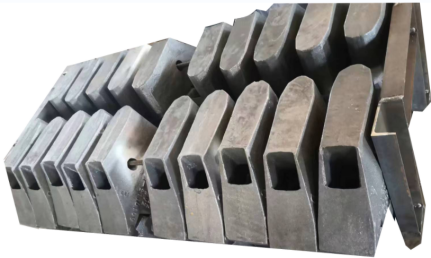
We offer a wide range of Grid Plates made from different materials, including [link text="Grid Plate" href="/crushing-mill-wear-parts/grid-plate.html"]Grid Plates[/link] with enhanced alloy compositions for improved fire - resistance. Our engineering team carefully designs each Grid Plate, taking into account factors such as thickness, ventilation, and heat dissipation.
In addition, we provide surface treatment options, such as intumescent coatings, to further enhance the fire - resistance of our Grid Plates. Our coatings are tested to meet industry standards and can provide reliable protection in case of a fire.
Conclusion
The fire - resistance of a Grid Plate is a critical property that can have a significant impact on the safety and efficiency of industrial operations. By understanding the factors that affect fire - resistance, such as material composition, thickness, design, and surface treatment, we can make informed decisions when selecting Grid Plates for different applications.
If you are in need of high - quality, fire - resistant Grid Plates, we are here to help. Our team of experts can provide you with the right solutions tailored to your specific requirements. Whether you are in the industrial furnace, power plant, or foundry industry, our [link text="Grid Plate" href="/crushing-mill-wear-parts/grid-plate.html"]Grid Plates[/link] are designed to meet your needs and ensure the safety of your operations.

Don't hesitate to contact us for more information or to discuss your procurement needs. We look forward to working with you to provide the best Grid Plate solutions for your business.
References
- ASM Handbook, Volume 1: Properties and Selection: Irons, Steels, and High - Performance Alloys
- Fire Protection Handbook, National Fire Protection Association
- ASTM International Standards for Fire - Resistant Materials and Products