




What are the installation requirements for a branch pipe in an industrial plant?
 Nov 18, 2025|
 Hey there! As a supplier of Branch Pipe, I've been getting a lot of questions lately about the installation requirements for these pipes in an industrial plant. So, I thought I'd share some insights on this topic to help you out.
First off, let's talk about what a Branch Pipe is. A Branch Pipe is a crucial component in industrial piping systems. It allows the flow of fluids or gases to be redirected from a main pipeline to other parts of the system. You can check out more about Branch Pipe on our website Branch Pipe.
Site Preparation
Before you even think about installing a Branch Pipe, you need to prepare the site properly. The area where the pipe will be installed should be clean and free of any debris, dirt, or other contaminants. This is super important because any foreign material can interfere with the proper connection and sealing of the pipe.
Measure the space accurately. You need to make sure that there's enough room for the Branch Pipe to be installed without any obstructions. Check the alignment of the main pipeline where the Branch Pipe will be connected. A misaligned connection can lead to leaks and reduced flow efficiency.
Material Compatibility
The material of the Branch Pipe must be compatible with the fluid or gas that will be flowing through it. For example, if you're dealing with corrosive chemicals, you'll need a pipe made of a corrosion - resistant material like stainless steel or a special polymer. Also, the material of the Branch Pipe should be able to withstand the pressure and temperature conditions of the industrial process.
It's a good idea to consult with a materials expert or refer to industry standards to ensure that you're using the right material. You don't want to end up with a pipe that deteriorates quickly due to chemical reactions or fails under high pressure.
Pipe Sizing
Getting the right size of the Branch Pipe is crucial. If the pipe is too small, it can restrict the flow of the fluid or gas, leading to increased pressure and potential damage to the system. On the other hand, if the pipe is too large, it can be a waste of resources and may not provide the desired flow control.
You need to calculate the required flow rate and pressure drop in the system to determine the appropriate diameter of the Branch Pipe. This calculation should take into account the characteristics of the fluid or gas, such as its viscosity and density.
Connection Methods
There are several connection methods available for Branch Pipes, and the choice depends on the type of pipe material, the pressure and temperature conditions, and the nature of the fluid or gas.
- Welding: This is a common method for connecting metal pipes. Welding provides a strong and permanent connection. However, it requires skilled welders and proper welding equipment. The welds need to be inspected for quality to ensure there are no cracks or porosity.
- Flanged Connections: Flanged connections are easy to install and allow for easy disassembly for maintenance or repairs. They use gaskets to seal the connection. The gaskets must be made of a material that is compatible with the fluid or gas in the system.
- Threaded Connections: Threaded connections are suitable for smaller pipes and lower - pressure applications. They are relatively easy to install, but they may require thread sealants to prevent leaks.
Support and Anchoring
Once the Branch Pipe is installed, it needs to be properly supported and anchored. The pipe should be supported at regular intervals to prevent sagging and excessive stress on the connections. The supports should be designed to withstand the weight of the pipe, the fluid or gas inside it, and any external forces such as vibrations.
Anchoring is also important to prevent the pipe from moving due to thermal expansion or contraction. Expansion joints may be required in some cases to accommodate these changes in length.
Safety Considerations
Safety is always a top priority in industrial plants. When installing Branch Pipes, you need to follow all safety regulations and guidelines.
- Personal Protective Equipment (PPE): Workers involved in the installation process should wear appropriate PPE, such as safety glasses, gloves, and hard hats.
- Pressure Testing: Before putting the system into operation, the Branch Pipe and the entire piping system should be pressure - tested to ensure there are no leaks. This test should be conducted at a pressure higher than the normal operating pressure.
- Ventilation: If the installation involves working with chemicals or gases, proper ventilation should be provided to prevent the accumulation of harmful fumes.
Additional Components
In some cases, additional components may be required for the proper functioning of the Branch Pipe system.

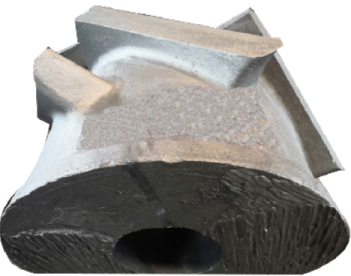
- Hub: Hubs can be used to connect multiple pipes or to change the direction of the flow. They come in different shapes and sizes, and the choice depends on the specific requirements of the system.
- Wear Ring: Wear rings are used to reduce wear and tear on the pipe and its connections. They are especially useful in applications where the fluid or gas contains abrasive particles.
Quality Assurance
After the installation is complete, a thorough quality assurance check should be carried out. This includes visual inspections of the connections, pressure testing, and flow rate measurements. Any issues identified during the quality assurance process should be addressed immediately.
Maintenance and Inspection
Once the Branch Pipe is in operation, regular maintenance and inspection are essential. This helps to detect any potential problems early and prevent costly breakdowns.
- Inspection Schedule: Establish a regular inspection schedule to check for leaks, corrosion, and any signs of damage.
- Cleaning: Periodically clean the pipe to remove any deposits or debris that may accumulate inside.
- Replacement of Components: Replace any worn - out components, such as gaskets or wear rings, as soon as possible.
In conclusion, installing a Branch Pipe in an industrial plant requires careful planning, proper selection of materials and connection methods, and strict adherence to safety regulations. If you have any questions or need help with your Branch Pipe installation, don't hesitate to reach out. We're here to assist you in ensuring a successful installation and a reliable piping system. Whether you're a small - scale industrial operation or a large - scale plant, we can provide you with high - quality Branch Pipes and the expertise you need. So, if you're looking to purchase Branch Pipes or need advice on installation, feel free to contact us for a friendly chat and a potential business deal.
References
- Industrial Piping Handbook
- ASME B31.3 Process Piping Code
- ASTM Standards for Pipe Materials