




What are the fire - resistance requirements for branch pipes?
 Oct 31, 2025|
 Hey there! I'm a supplier of branch pipes, and today I wanna chat about the fire - resistance requirements for these branch pipes. It's a topic that's super important, especially when it comes to safety in various industries.
First off, let's understand why fire - resistance is such a big deal for branch pipes. Branch pipes are used in all sorts of systems, like plumbing, industrial pipelines, and even in some construction setups. In case of a fire, these pipes need to hold up. If they don't, it can lead to all sorts of problems. For example, in a building, if the branch pipes start to melt or break down during a fire, it can disrupt the water supply for firefighting systems. In an industrial setting, it could cause leaks of hazardous materials, which is just a disaster waiting to happen.
So, what are the fire - resistance requirements? Well, it depends on the application. In buildings, building codes often set the standards. For instance, in commercial buildings, branch pipes may need to have a certain fire - rating. This rating is usually determined by how long the pipe can withstand exposure to fire without losing its structural integrity or functionality. A common requirement might be that the pipe should be able to resist fire for at least an hour. This gives firefighters enough time to get the situation under control and prevent the fire from spreading further through the pipe network.
In industrial environments, the requirements can be even more stringent. Industries dealing with flammable substances, like the oil and gas industry, need branch pipes that can handle extremely high temperatures. These pipes might need to be able to withstand fire for several hours. The reason is that in an industrial fire, it can take a long time to shut down the processes and contain the fire. So, the branch pipes need to be tough enough to keep the system intact during this extended period.
Now, how do we achieve these fire - resistance requirements? There are a few ways. One common method is to use fire - resistant materials. Some types of plastics can be treated to make them more fire - resistant. For example, adding flame - retardant chemicals to the plastic during the manufacturing process can significantly improve its fire - resistance. Metals are also a popular choice. Stainless steel, for instance, has good fire - resistant properties. It can withstand high temperatures without melting quickly, making it suitable for branch pipes in fire - prone areas.
Another approach is to use insulation. Wrapping the branch pipes with fire - resistant insulation can help protect them from the heat of a fire. This insulation acts as a barrier, slowing down the transfer of heat to the pipe itself. There are different types of insulation materials available, such as mineral wool and ceramic fiber. These materials are designed to have low thermal conductivity, which means they don't let heat pass through easily.
When it comes to our branch pipes as a supplier, we take these fire - resistance requirements very seriously. We make sure that all our products meet or exceed the industry standards. We use high - quality materials and the latest manufacturing techniques to ensure that our branch pipes are as fire - resistant as possible.
Now, let me tell you a bit about some of the related products we offer. We also have Wear Ring which are an important part of many pipe systems. These wear rings help reduce friction and wear, which can extend the lifespan of the pipes. They are also designed to be durable and can withstand harsh conditions, including high temperatures in some cases.

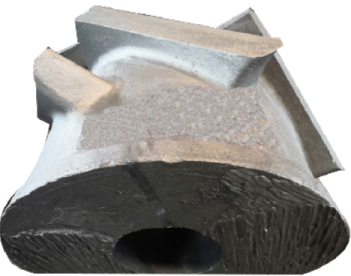
Our Hub is another great product. Hubs are used to connect different parts of the pipe system. They need to be strong and reliable, especially in fire - prone areas. Our hubs are made with materials that have good fire - resistance properties, ensuring that the connection between the pipes remains intact during a fire.
And then there's our Bend Pipe. Bend pipes are used to change the direction of the pipe flow. In a fire situation, these bend pipes need to be able to handle the heat and pressure just like the straight branch pipes. Our bend pipes are designed to be fire - resistant, so they can maintain their shape and functionality even under extreme conditions.
If you're in the market for branch pipes or any of our related products, and you're concerned about fire - resistance, we're here to help. We can provide you with detailed information about the fire - resistance properties of our products and how they meet the industry requirements. Whether you're working on a small building project or a large industrial installation, we have the right solutions for you.
Don't hesitate to reach out if you have any questions or if you're interested in a purchase. We're always happy to have a chat and discuss your specific needs. You can get in touch with us to start the procurement process and find out how our branch pipes and related products can fit into your project.
References
- Building Code Requirements for Fire - Resistant Piping Systems. National Building Codes Council.
- Industrial Fire Safety Standards for Piping. International Association of Industrial Fire Safety.
- Materials and Insulation for Fire - Resistant Pipes. Journal of Fire - Resistant Materials Research.