




What are the common widths of grid plates?
 Sep 10, 2025|
When it comes to industrial applications, grid plates play a crucial role in various sectors, including mining, construction, and manufacturing. As a leading Grid Plate supplier, I've had the privilege of working with a diverse range of clients, each with unique requirements. In this blog post, I'll delve into the common widths of grid plates, exploring their significance and how they cater to different industrial needs.
Understanding Grid Plates
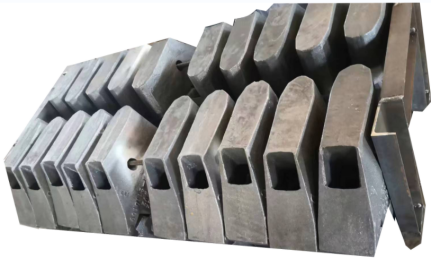
Before we dive into the common widths, let's briefly understand what grid plates are. Grid plates, also known as Grid Plate, are specialized components designed to provide support, filtration, and separation in industrial processes. They are typically made from high-quality materials such as steel, stainless steel, or other alloys, ensuring durability and resistance to wear and tear.
Grid plates are commonly used in crushers, mills, and other equipment to control the flow of materials, prevent blockages, and enhance the efficiency of the overall process. Their design consists of a series of parallel bars or grids, which can be customized to suit specific applications.
Common Widths of Grid Plates
The width of a grid plate is a critical factor that determines its functionality and suitability for a particular application. Here are some of the most common widths available in the market:
1. Standard Widths
- 600mm - 1200mm: These are the most commonly used widths for grid plates in many industrial applications. They offer a good balance between strength and flexibility, making them suitable for a wide range of equipment and processes. For example, in small to medium-sized crushers, grid plates with a width of 600mm - 1200mm can effectively control the flow of materials and prevent overloading.
- 1500mm - 2000mm: Larger industrial equipment often requires grid plates with wider widths to accommodate higher volumes of materials. Grid plates in the range of 1500mm - 2000mm are commonly used in large crushers, mills, and screening machines, where they provide enhanced support and stability.
2. Custom Widths
In addition to the standard widths, many clients require grid plates with custom widths to meet their specific needs. As a Grid Plate supplier, I understand the importance of providing tailored solutions, and I offer a wide range of custom width options. Whether you need a grid plate with a width of 300mm for a specialized application or a 2500mm wide plate for a large-scale project, I can work with you to design and manufacture the perfect solution.
Factors Influencing Grid Plate Width
Several factors influence the choice of grid plate width for a particular application. Here are some of the key considerations:
1. Equipment Size and Capacity
The size and capacity of the equipment in which the grid plate will be installed are the primary factors determining the width. Larger equipment typically requires wider grid plates to handle higher volumes of materials and provide adequate support. For example, a large crusher with a high throughput capacity will need a wider grid plate to prevent blockages and ensure smooth operation.
2. Material Characteristics
The type and characteristics of the materials being processed also play a significant role in determining the grid plate width. Materials with larger particle sizes or higher densities may require wider grid plates to allow for proper flow and prevent clogging. On the other hand, finer materials may require narrower grid plates to ensure efficient filtration and separation.

3. Process Requirements
The specific requirements of the industrial process, such as the desired flow rate, screening efficiency, and product quality, also influence the choice of grid plate width. For example, in a screening process where precise separation of different particle sizes is required, a grid plate with a specific width and grid pattern may be necessary to achieve the desired results.
Other Related Components
In addition to grid plates, there are several other related components that are commonly used in industrial applications. Here are some examples:
1. Scraping Plate
Scraping Plate are used to remove material buildup from the surface of grid plates and other equipment components. They help to maintain the efficiency of the process and prevent blockages. Scraping plates are typically made from high-strength materials and are designed to withstand the harsh conditions of industrial environments.
2. Cap
Cap are used to protect the ends of grid plates and other equipment components from wear and damage. They are often made from durable materials such as rubber or plastic and can be customized to fit specific applications. Caps help to extend the lifespan of the equipment and reduce maintenance costs.
Conclusion
In conclusion, the common widths of grid plates vary depending on the specific application and requirements. Standard widths of 600mm - 1200mm and 1500mm - 2000mm are widely used in many industrial applications, while custom widths can be designed to meet the unique needs of individual clients. When choosing a grid plate width, it's important to consider factors such as equipment size, material characteristics, and process requirements.
As a Grid Plate supplier, I am committed to providing high-quality products and tailored solutions to meet the diverse needs of my clients. Whether you need a standard grid plate or a custom-designed solution, I have the expertise and resources to deliver the perfect product. If you have any questions or would like to discuss your grid plate requirements, please don't hesitate to contact me. I look forward to working with you to find the best solution for your industrial needs.
References
- Industrial Equipment Handbook: A comprehensive guide to industrial equipment and components, including grid plates.
- Mining and Construction Journal: Articles and research on the latest trends and technologies in the mining and construction industries, including the use of grid plates.
- Manufacturer's Catalogs: Catalogs from leading grid plate manufacturers, providing detailed information on product specifications and applications.