




How to control the flow in a branch pipe?
 Sep 04, 2025|
Hey there! As a supplier of Branch Pipe, I've had my fair share of experiences in dealing with the ins and outs of these pipes. One of the most common questions I get asked is, "How to control the flow in a branch pipe?" Well, in this blog, I'm gonna break it down for you and share some tips and tricks that I've picked up over the years.

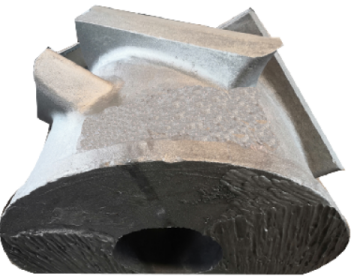
First off, let's understand what a branch pipe is. A branch pipe is a pipe that splits off from a main pipe, allowing the flow of fluid or gas to be redirected to another location. It's a crucial component in many industrial and plumbing systems. And controlling the flow in a branch pipe is essential to ensure the efficient and safe operation of these systems.
Understanding the Basics of Flow Control
Before we dive into the methods of controlling the flow in a branch pipe, it's important to understand the basic principles of fluid flow. The flow of fluid in a pipe is determined by several factors, including the pressure difference between the two ends of the pipe, the diameter of the pipe, the length of the pipe, and the viscosity of the fluid.
In a branch pipe system, the flow is divided between the main pipe and the branch pipe. The amount of flow that goes into the branch pipe depends on the resistance in the branch pipe compared to the main pipe. If the resistance in the branch pipe is low, more flow will go into it. Conversely, if the resistance is high, less flow will go into it.
Methods of Controlling Flow in a Branch Pipe
1. Using Valves
Valves are one of the most common and effective ways to control the flow in a branch pipe. There are different types of valves that can be used, such as gate valves, globe valves, ball valves, and butterfly valves.
- Gate Valves: These valves are used to either fully open or fully close the flow in a pipe. They are not suitable for throttling the flow because when they are partially open, the fluid can cause erosion and vibration on the valve seat.
- Globe Valves: Globe valves are better for throttling the flow. They have a disk that moves up and down to control the flow. By adjusting the position of the disk, you can control the amount of flow going through the branch pipe.
- Ball Valves: Ball valves are quick to operate and provide a tight seal. They have a ball with a hole in the middle that can be rotated to open or close the flow. They are suitable for on - off control and can also be used for some throttling applications.
- Butterfly Valves: Butterfly valves are lightweight and have a low pressure drop. They have a disk that rotates around a central axis to control the flow. They are commonly used in large - diameter pipes.
When choosing a valve for your branch pipe, you need to consider factors such as the type of fluid, the pressure and temperature of the system, and the required flow rate.
2. Adjusting Pipe Diameter
Another way to control the flow in a branch pipe is by adjusting the diameter of the pipe. A smaller diameter pipe will have a higher resistance to flow, which means less fluid will flow through it. On the other hand, a larger diameter pipe will have a lower resistance and more fluid will flow through it.
For example, if you want to reduce the flow in a branch pipe, you can install a reducer to decrease the diameter of the pipe. This will increase the resistance and reduce the flow rate.
3. Adding Restrictors
Restrictors are devices that are installed in the pipe to increase the resistance to flow. They can be in the form of orifice plates, flow nozzles, or venturi meters.
- Orifice Plates: An orifice plate is a thin plate with a hole in the middle. When the fluid flows through the hole, the flow is restricted, and the pressure drop across the orifice plate can be used to measure the flow rate.
- Flow Nozzles: Flow nozzles are similar to orifice plates but have a more streamlined shape. They are more accurate in measuring flow and cause less permanent pressure loss compared to orifice plates.
- Venturi Meters: Venturi meters are used to measure and control the flow by creating a pressure difference. They have a converging and diverging section that causes the fluid to accelerate and then decelerate, creating a pressure drop that can be used to determine the flow rate.
Importance of Proper Flow Control
Proper flow control in a branch pipe is crucial for several reasons. Firstly, it ensures the efficient operation of the system. By controlling the flow, you can optimize the performance of pumps, motors, and other equipment in the system. This can lead to energy savings and reduced operating costs.
Secondly, it helps to maintain the safety of the system. If the flow is not properly controlled, it can cause over - pressurization, which can lead to pipe bursts, equipment damage, and even accidents. By using the right flow control methods, you can prevent these issues and ensure the safe operation of the system.
Related Products and Their Role in Flow Control
As a Branch Pipe supplier, I also deal with other related products that play a role in flow control. For example, the Hub is an important component in a pipe system. It is used to connect different pipes together and can also affect the flow distribution in the system. A well - designed hub can help to evenly distribute the flow between different branch pipes.
The Branch Pipe itself is of course the main focus. We offer high - quality branch pipes that are designed to withstand high pressures and corrosive environments. Our pipes are made from durable materials that ensure long - term performance and reliable flow control.
Another product is the Dredge Rock Arm. In dredging applications, the dredge rock arm is used to handle the flow of rocks and sediment. It needs to be able to control the flow effectively to prevent blockages and ensure the smooth operation of the dredging process.
Contact for Purchase and Consultation
If you're in the market for Branch Pipe or any of our related products, and you have questions about flow control or need advice on which products are right for your application, don't hesitate to reach out. We're here to help you find the best solutions for your flow control needs. Whether you're working on a small plumbing project or a large industrial system, we have the expertise and the products to meet your requirements.
References
- Crane, D. S. (1988). Flow of Fluids Through Valves, Fittings, and Pipe. Technical Paper No. 410. Crane Co.
- Miller, D. S. (1990). Internal Flow Systems. BHRA Fluid Engineering.
- Streeter, V. L., & Wylie, E. B. (1981). Fluid Mechanics. McGraw - Hill.