




Can a lifting bar be used for functional training?
 Oct 27, 2025|
Can a Lifting Bar be Used for Functional Training?
In the ever - evolving world of fitness and strength training, the quest for versatile equipment is a constant. As a supplier of high - quality Lifting Bar, I've often been asked whether a lifting bar can be effectively used for functional training. In this blog, we'll explore the potential of lifting bars in functional training, examining their features, benefits, and practical applications.
Understanding Functional Training
Functional training is a type of exercise that focuses on training the body for the activities of daily life. It aims to improve strength, flexibility, balance, and coordination in a way that translates directly to real - world movements. This approach is in contrast to traditional bodybuilding, which may focus more on isolated muscle development. Functional training exercises often mimic movements like pushing, pulling, squatting, and lifting, which are common in our day - to - day activities.
The Anatomy of a Lifting Bar
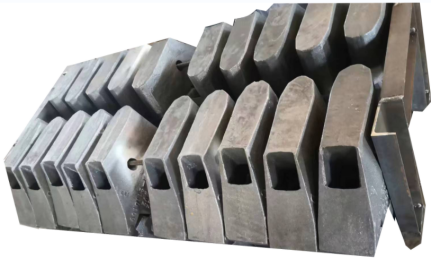
Before delving into its use in functional training, let's understand the components of a lifting bar. A typical lifting bar consists of a long, straight metal rod, usually made of steel. It has a specific diameter and length, which can vary depending on its intended use. Some lifting bars come with Hammer Component attachments or Cap ends that can add to its functionality.
The bar's smooth surface allows for easy gripping, and its weight distribution is carefully designed to ensure stability during lifting. High - quality lifting bars are also engineered to withstand heavy loads, making them suitable for a wide range of training intensities.

Benefits of Using a Lifting Bar in Functional Training
1. Versatility
One of the primary advantages of using a lifting bar in functional training is its versatility. A single lifting bar can be used for a multitude of exercises. For example, it can be used for squats, which engage the lower body muscles, including the quadriceps, hamstrings, and glutes. By holding the bar across the upper back, you can perform front squats, back squats, or overhead squats, each targeting different muscle groups and movement patterns.
In addition to squats, the lifting bar can be used for rows. Standing rows, bent - over rows, and seated rows are all possible with a lifting bar. These exercises work the back muscles, including the latissimus dorsi, rhomboids, and trapezius. The bar can also be used for presses, such as the bench press, shoulder press, and incline press, which target the chest, shoulders, and triceps.
2. Resistance Training
Functional training often involves resistance to build strength and endurance. A lifting bar can be easily loaded with weights, allowing you to adjust the intensity of your workouts. Whether you're a beginner looking to start with light weights or an advanced athlete aiming for heavy resistance, a lifting bar can accommodate your needs. You can add weight plates to the ends of the bar, gradually increasing the load as your strength improves.
3. Core Engagement
Many functional training exercises using a lifting bar require significant core engagement. When performing squats, rows, or presses, the core muscles work to stabilize the body and maintain proper form. This helps to strengthen the abdominal, back, and pelvic floor muscles, which are essential for overall stability and balance in daily life.
4. Real - World Movement Simulation
As mentioned earlier, functional training aims to mimic real - world movements. Lifting a barbell in various ways closely resembles activities like picking up heavy objects, moving furniture, or carrying groceries. By training with a lifting bar, you're preparing your body for these types of practical tasks, improving your ability to perform them safely and efficiently.
Practical Applications of Lifting Bars in Functional Training
1. Circuit Training
Circuit training is a popular form of functional training that involves performing a series of exercises in quick succession with minimal rest in between. A lifting bar can be incorporated into a circuit training routine. For example, you could start with a set of squats, followed by a set of rows, and then a set of shoulder presses. This combination of exercises works multiple muscle groups simultaneously, providing a full - body workout in a short amount of time.
2. Functional Strength Competitions
In functional strength competitions, athletes are tested on their ability to perform various functional tasks. Lifting bars are commonly used in these competitions for events such as deadlifts, clean and jerks, and snatch. These exercises require a combination of strength, power, and technique, making them a great way to showcase an athlete's functional fitness.
3. Rehabilitation and Injury Prevention
Lifting bars can also be used in rehabilitation settings. Under the guidance of a qualified professional, patients recovering from injuries can use light - weighted bars to gradually rebuild strength and mobility. The controlled movements allowed by the lifting bar can help in restoring proper muscle function and joint stability. Additionally, by strengthening the muscles around the joints, lifting bar training can also help prevent future injuries.
Considerations When Using a Lifting Bar for Functional Training
1. Proper Form
Maintaining proper form is crucial when using a lifting bar for functional training. Incorrect form can lead to injuries, such as back pain, shoulder impingement, or knee problems. It's important to learn the correct technique for each exercise from a qualified trainer. For example, when performing a squat, your feet should be shoulder - width apart, your back should be straight, and your knees should not extend beyond your toes.
2. Progression
As with any form of training, progression is key. Start with light weights and gradually increase the load as your strength and technique improve. This allows your body to adapt to the increased stress and reduces the risk of overtraining or injury.
3. Equipment Quality
Not all lifting bars are created equal. When choosing a lifting bar for functional training, it's important to invest in a high - quality product. Look for bars that are made of durable materials, have a smooth finish, and are properly balanced. A good quality lifting bar will last longer and provide a safer and more effective training experience.
Conclusion
In conclusion, a lifting bar can be an excellent tool for functional training. Its versatility, ability to provide resistance, core engagement benefits, and real - world movement simulation make it a valuable addition to any functional training regimen. Whether you're a fitness enthusiast, an athlete, or someone looking to improve their overall strength and mobility, a lifting bar can help you achieve your goals.
If you're interested in purchasing a high - quality lifting bar or have any questions about how to incorporate it into your functional training routine, please don't hesitate to contact us. We're here to assist you in finding the right equipment for your needs and to support you on your fitness journey.
References
- American Council on Exercise (ACE). "Functional Training: A Primer."
- National Strength and Conditioning Association (NSCA). "Essentials of Strength Training and Conditioning."
- Gray Cook. "Movement: Functional Movement Systems Screen, Assess, Correct."