




Can a grid plate be used in marine environments?
 Oct 01, 2025|
 Can a grid plate be used in marine environments? This is a question that many in the industry have been pondering, especially considering the unique challenges presented by the marine setting. As a grid plate supplier, I've had the opportunity to delve deep into this topic, and I'm excited to share my insights with you.
Understanding the Marine Environment
The marine environment is a harsh and unforgiving place. It's characterized by high humidity, constant exposure to saltwater, strong winds, and extreme temperature variations. Saltwater, in particular, is highly corrosive. The presence of chloride ions in seawater can accelerate the corrosion process of many materials. When metal comes into contact with saltwater, a chemical reaction occurs, leading to the formation of rust and other corrosion products. This not only weakens the structural integrity of the material but also shortens its lifespan.
In addition to corrosion, marine environments are also subject to mechanical stresses. Waves, tides, and currents can exert significant forces on any structure or equipment placed in the water. These forces can cause abrasion, impact damage, and fatigue, further challenging the durability of materials.
Properties of Grid Plates
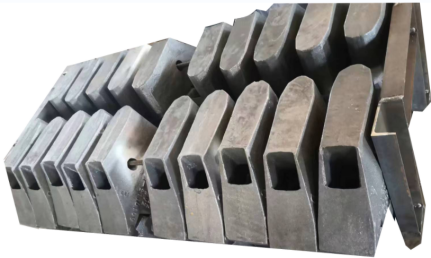
Grid plates are known for their versatility and strength. They are typically made from materials such as steel, stainless steel, or fiberglass. Steel grid plates are strong and can withstand heavy loads, making them suitable for applications where high strength is required. Stainless steel grid plates, on the other hand, offer excellent corrosion resistance, thanks to the presence of chromium and other alloying elements. Fiberglass grid plates are lightweight, non - conductive, and resistant to corrosion, making them a popular choice in certain applications.
The open design of grid plates allows for good drainage and ventilation. This is particularly useful in marine applications where water needs to drain quickly to prevent pooling and reduce the risk of corrosion. The grid pattern also provides a high - friction surface, which can enhance safety by reducing the risk of slips and falls.
Suitability of Grid Plates in Marine Environments
Corrosion Resistance
When it comes to using grid plates in marine environments, corrosion resistance is of utmost importance. As mentioned earlier, saltwater is highly corrosive, so the material of the grid plate must be able to withstand this corrosive environment. Stainless steel grid plates are a great option as they have a natural passive layer that protects them from corrosion. However, not all stainless steels are created equal. Grades such as 316 and 316L are particularly well - suited for marine applications because they contain molybdenum, which enhances their resistance to pitting and crevice corrosion in saltwater.
Steel grid plates can also be used in marine environments, but they require proper protection. This can be achieved through coating methods such as galvanizing or painting. Galvanizing involves applying a layer of zinc to the steel surface, which acts as a sacrificial anode, protecting the steel from corrosion. Painting can also provide a barrier between the steel and the corrosive environment, but the paint must be of high quality and properly applied to ensure long - term protection.
Fiberglass grid plates are inherently corrosion - resistant and do not require additional protection against saltwater. They are an excellent choice for applications where corrosion is a major concern, such as in offshore platforms and coastal structures.
Mechanical Strength
The mechanical strength of grid plates is also crucial in marine environments. Waves, tides, and the movement of vessels can subject the grid plates to significant mechanical stresses. Steel and stainless steel grid plates are known for their high strength and can withstand these stresses. They are commonly used in areas where heavy loads are expected, such as on docks, ship decks, and offshore platforms.
Fiberglass grid plates, while not as strong as steel or stainless steel in terms of load - bearing capacity, can still provide sufficient strength for many marine applications. They are often used in areas where lightweight materials are preferred, such as in walkways and handrails.
Other Considerations
In addition to corrosion resistance and mechanical strength, there are other factors to consider when using grid plates in marine environments. For example, the installation method is important. Grid plates must be properly installed to ensure their stability and safety. They should be securely fastened to prevent movement and damage caused by the forces of the marine environment.
Maintenance is also a key consideration. Regular inspection and maintenance are necessary to ensure the continued performance of grid plates in marine environments. This may involve checking for signs of corrosion, damage, or wear and taking appropriate measures to address any issues.
Applications of Grid Plates in Marine Environments
Grid plates have a wide range of applications in marine environments. Some of the common applications include:
- Ship Decks: Grid plates are used on ship decks to provide a safe walking surface. Their open design allows water to drain quickly, reducing the risk of slips and falls. They also help to prevent the accumulation of debris on the deck.
- Offshore Platforms: In offshore platforms, grid plates are used in various areas, such as walkways, stairways, and work platforms. They provide a strong and stable surface for workers to move around and perform their tasks. The corrosion - resistant properties of stainless steel or fiberglass grid plates are particularly important in this harsh environment.
- Docks and Piers: Grid plates are installed on docks and piers to provide a durable and slip - resistant surface. They can withstand the constant traffic of people and equipment and are resistant to the corrosive effects of saltwater.
Related Products for Marine Applications
In addition to grid plates, there are other products that can be used in conjunction with them in marine environments. For example, Cap can be used to protect the edges of grid plates and other structures, preventing damage and corrosion. Scraping Plate can be used to remove debris and sediment from grid plates, ensuring their proper functioning. Crushing Roller may be used in some marine processing applications where materials need to be crushed or processed.

Conclusion
In conclusion, grid plates can indeed be used in marine environments, but careful consideration must be given to the material selection, corrosion protection, and mechanical strength. Stainless steel, properly protected steel, and fiberglass grid plates all have their advantages and can be suitable for different marine applications. Whether it's for ship decks, offshore platforms, or docks and piers, grid plates can provide a reliable and safe solution.
If you're considering using grid plates in your marine project, I encourage you to reach out for more information. We can help you select the right type of grid plate based on your specific requirements and provide you with all the necessary support for installation and maintenance. Contact us today to start a procurement discussion and find the best grid plate solution for your marine needs.
References
- ASM Handbook Volume 13A: Corrosion: Fundamentals, Testing, and Protection. ASM International.
- Marine Corrosion: Mechanisms, Monitoring, and Prevention. Wiley.
- Fiberglass Reinforced Plastic Grating Handbook. Strongwell Corporation.